The TL;DR
The Bottleneck: Modern medicine operates on the cutting edge of science, yet clinical back offices are paralyzed by unstructured paper—from messy, handwritten patient intake forms to labyrinthine Explanation of Benefits (EOB) documents.
The Legacy Failure: Traditional medical OCR forces you to extract data into messy CSV files, which your administrative staff must then manually clean, deduplicate, and re-import into your EHR or billing system.
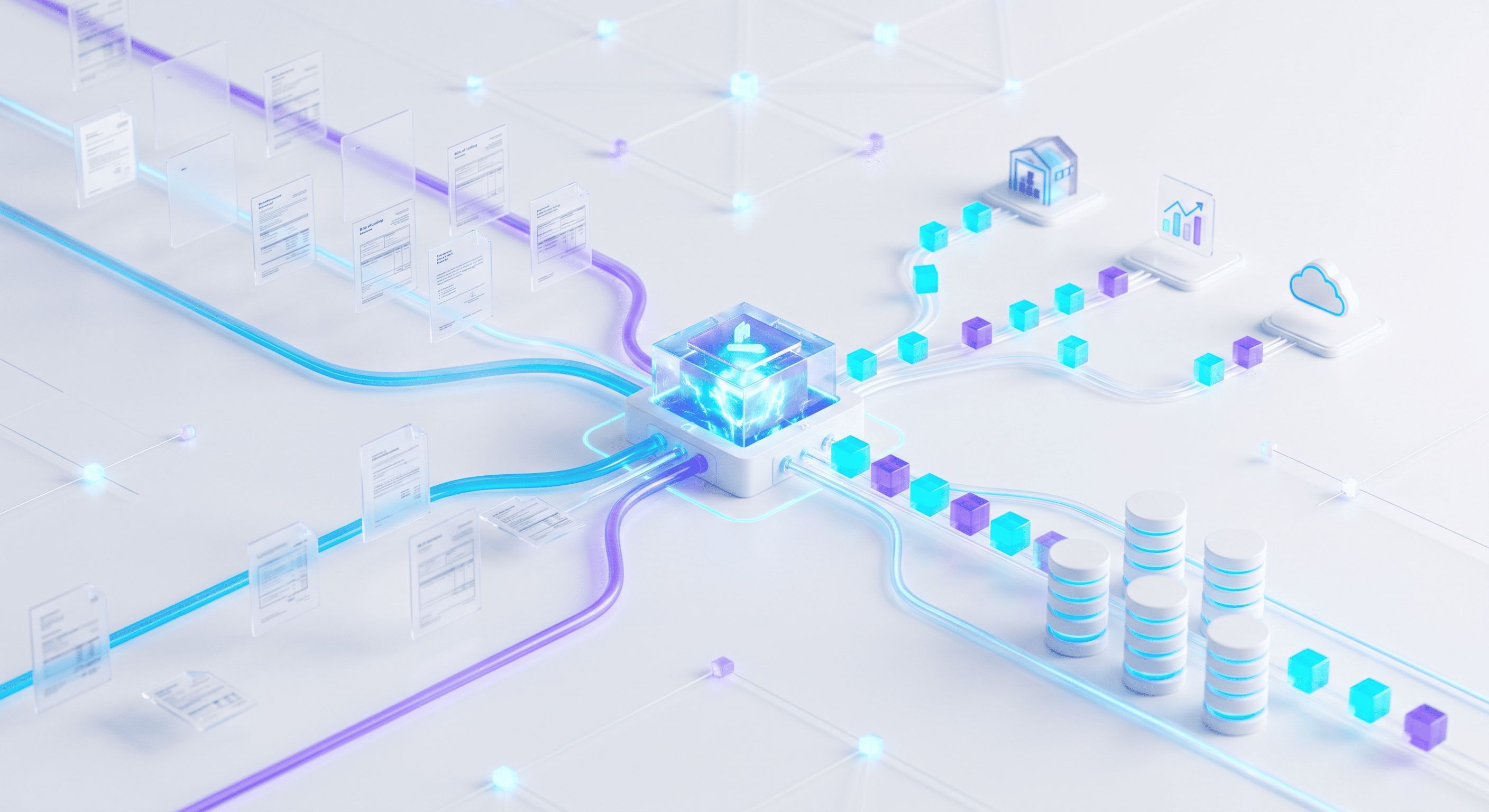
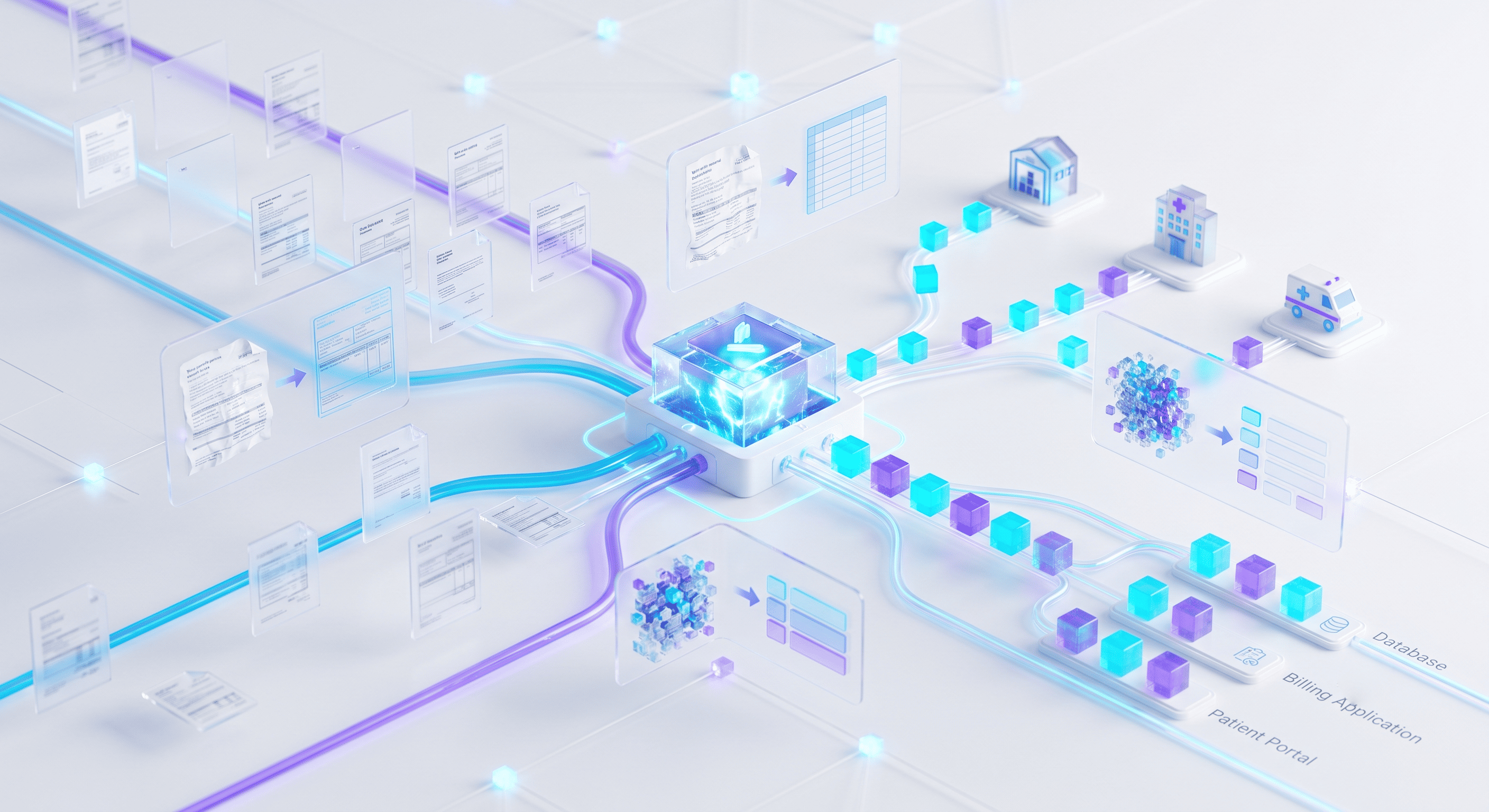
The Lymnus Solution: Lymnus serves as a silent, automated pipeline that reads every document or file, cleans and extracts every field, and exports structured data directly into your database or connected apps.
Why Are World-Class Clinics Still Relying on Manual Data Entry?
We have engineered robotic surgical systems that operate with sub-millimeter precision. We leverage advanced machine learning to detect cellular anomalies in radiology scans before they become symptomatic. Yet, when a new patient walks into a state-of-the-art clinic, the entire digital infrastructure grinds to a halt. They are handed a clipboard.
The disconnect between clinical innovation and back-office administration is staggering. Healthcare organizations are generating unprecedented volumes of unstructured data every single day. Your administrative teams are completely buried under an endless influx of patient intake forms, medical history questionnaires, insurance claim denials, and massive Explanation of Benefits (EOB) packets.
The industry standard for processing this critical information defaults to the least efficient method imaginable: human transcription.
Your highly trained staff—people who should be focused on patient experience and revenue cycle management—are reduced to expensive data entry clerks. They sit at their desks, toggling between dual monitors. On one screen is a blurry PDF scan of a handwritten intake form; on the other is your Electronic Health Record (EHR) system. They read, they click, they type. They repeat this cycle hundreds of times a day.
This manual workflow is not just an administrative drag; it is a massive financial liability.
In healthcare, data accuracy is tied directly to cash flow. A single transposed digit on an insurance policy number or a misread billing code triggers an immediate claim denial. One transposed digit costs an afternoon of reconciliation. Your billing team is forced to hunt down the error, correct the ledger, and resubmit the claim. This inevitably leads to month-end pile-ups, where financial reconciliation waits on whoever is tasked with retyping these documents.
Even clinics that have attempted to modernize often find themselves trapped by legacy software. They invest in outdated OCR (Optical Character Recognition) tools that promise automation but ultimately fail to deliver. Most of these tools simply extract raw text into a messy CSV file.
Software that ships work back to you is not a solution. Your staff is still forced to clean that data by hand, deduplicate the records, and manage the complex re-import process themselves. Your medical documents already contain the data you need to run your operations. Someone just has to type it. Today, that someone is you. It is a broken, unscalable cycle that drains margins, exhausts your workforce, and compromises patient care.
How Do You Build a Zero-Touch Data Pipeline for Medical Records?
To scale a modern healthcare organization, you must permanently decouple data extraction from human effort. You do not need another bloated healthcare dashboard that requires user logins and complex training sessions. You need a frictionless, background infrastructure.
You need a pipeline that you set up once, and then it just runs. Lymnus was engineered specifically for the teams buried in paper, providing a robust architecture that transforms messy healthcare documents into clean, structured datasets.
Here is exactly how the Lymnus architecture eliminates manual data entry from your clinical operations:
How Does the Pipeline Ingest Documents Autonomously?
The most powerful software is the kind your team never has to actively open. Lymnus eliminates the manual upload bottleneck by intercepting medical documents precisely where they originate.
Documents arrive on their own. You can send your documents by email directly to your pipeline's dedicated address. Alternatively, you can auto-import them from your connected apps or your local machine. Whether a front-desk worker scans a patient form into a shared Google Drive folder, or a clearinghouse deposits EOBs into an AWS S3 bucket or Box directory, Lymnus automatically pulls the files into the processing pipeline. No one has to "go use the tool".
How Does Lymnus Extract and Normalize Messy Clinical Data?
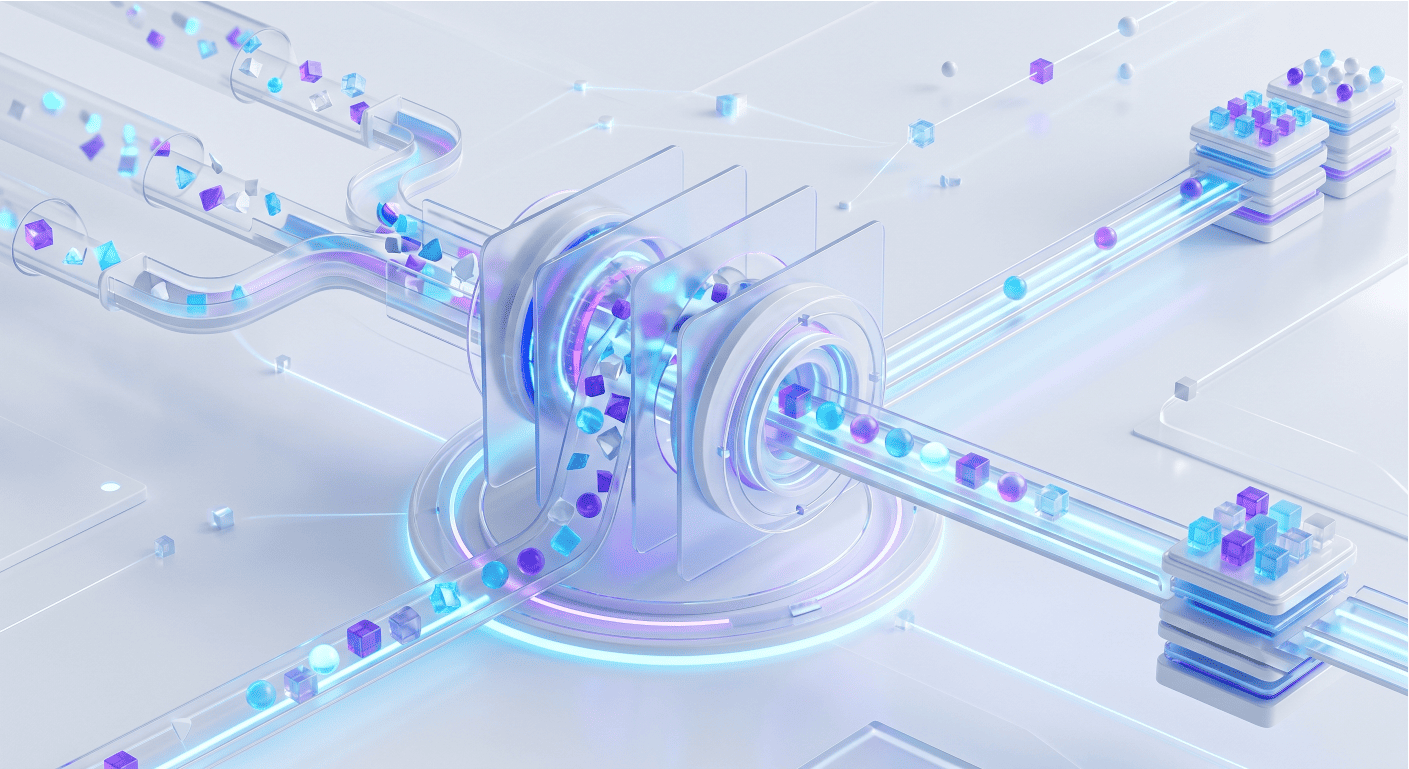
Raw data extraction is utterly useless if the resulting output is messy. Extraction is the first step—not the whole job. Lymnus acts as a comprehensive processing engine that reads, extracts, and cleans your scans, photos, handwriting, or dataset files.
As a built-in step within the exact same pipeline, Lymnus automatically cleans and merges your data.
Intelligent Deduplication: It automatically identifies and removes duplicate patient forms or redundant claim submissions.
Data Normalization: It normalizes disparate dates (like varying formats of a patient's Date of Birth) and currencies into your system's required format.
Standardization: It standardizes vendor and insurer names across large datasets.
Global Language Support: Patient populations are diverse. Lymnus reads documents in 41 languages, allowing an intake form in Spanish or a medical history document in Vietnamese to be extracted into the same clean fields, in the language you work in.
What Happens When the System Encounters Unreadable Handwriting?
Clinical data is notoriously messy. Doctors have famously terrible handwriting, and faxed EOBs often arrive heavily degraded. Lymnus solves this through algorithmic confidence scoring.
Every field extracted is scored. Lymnus tells you exactly how confident it is, field by field. If the system reads a patient's last name with 99% confidence and an insurance ID with 98% confidence, it routes that data straight through to your database.
When Lymnus is less than sure about a field—perhaps a heavily smudged total on a bill or a messy handwritten date—that one document waits for a ten-second human check in the review queue. You review exceptions, not everything. Every single correction you make ensures your pipeline grows sharper over time, increasing the share of documents that never needed you at all.
How Does the Data Securely Enter Your Existing Systems?
Healthcare data requires strict security and seamless routing. Lymnus ensures clean entries land where you work.
The platform features an API underneath it all. Everything the pipeline does is available over the API (POST /v1/documents), allowing your engineering team to push documents in, receive webhooks out (WHK document.exported), and build custom flows on top.
If you prefer zero-code setups, Lymnus integrates natively with the tools healthcare teams use daily. You can push structured data directly into PostgreSQL databases, Salesforce Health Cloud, Google Sheets, or custom EHR systems. Crucially, your data ends up in your system, not ours. To protect sensitive Protected Health Information (PHI), Lymnus is built for enterprise security, featuring built-in SSO, SCIM, and IP allowlists.
What Does a Fully Automated EOB Reconciliation Look Like?
To truly grasp the operational leverage of a zero-touch data pipeline, let us walk through a high-volume, real-world scenario. Imagine your medical billing department is tasked with processing a massive influx of claim remittances at the end of the month.
Historically, receiving 500 Explanation of Benefits (EOB) documents meant deploying a team of billing specialists to manually review every single page. They would have to identify the patient, locate the corresponding claim in the database, manually type in the approved amounts, and individually flag any denial codes. It was a brutal, error-prone grind that delayed revenue recognition by weeks.
With Lymnus, this friction evaporates entirely. The 500 EOBs are automatically ingested into the pipeline directly from your clearinghouse portal or shared Microsoft OneDrive folder. Lymnus immediately reads the documents, cleanly extracting every line item and patient identifier. It normalizes the denial codes and standardizes the insurer names, merging the massive influx of files into one clean dataset.
Because healthcare compliance requires strict tracking, Lymnus is built for teams. A comprehensive visual audit log tracks every single interaction with the data. If an exception hits the review queue, the audit log clearly shows that a specific staff member edited a field or verified a code, allowing administrators to fear no mistakes and instantly revert incorrect data.
But the utility of the pipeline extends far beyond simple extraction. Once the clinical data is processed, it unlocks powerful new capabilities for your management team.
Using the built-in AI assistant, your billing managers can now simply ask your documents anything. Instead of writing complex SQL queries or exporting messy CSVs, they can use plain English. A manager can type, "Find all denied claims related to Medicare," and receive an instant, accurate answer across everything your pipelines have processed.
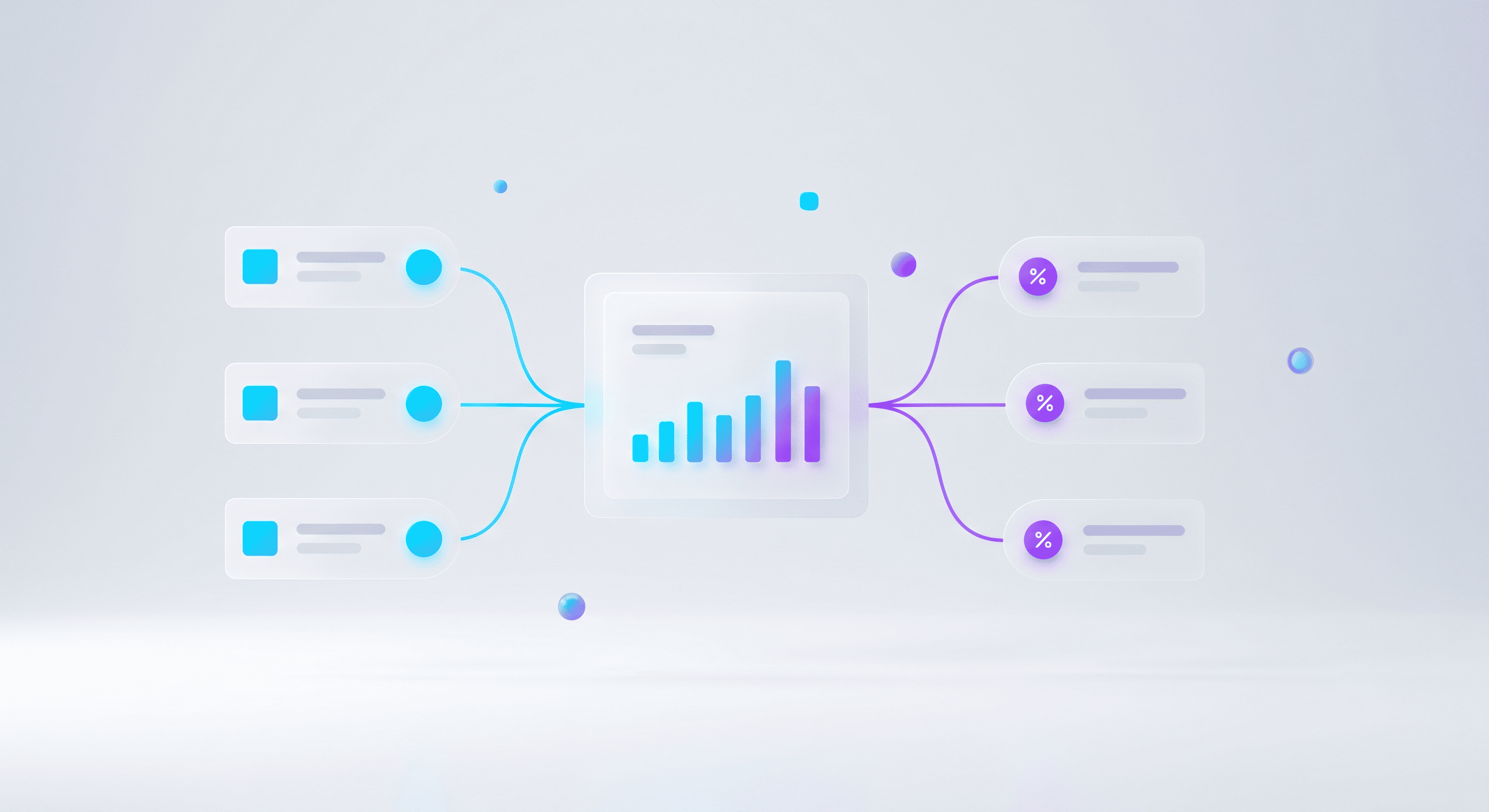
Furthermore, you can turn this processed operational data into actionable insights. Lymnus allows you to generate charts, summaries, and shareable reports that build themselves directly from your pipelines. You can monitor claim denial trends or track patient onboarding velocity effortlessly.
The entire process—from unstructured EOB arrival to structured database entry and executive reporting—happens autonomously. No templates, and absolutely no retyping.
Ready to Stop Typing Data Out of Documents Forever?
The era of treating highly skilled medical staff and billing specialists as manual data parsers is officially over. Every hour your team spends manually transcribing a patient intake form or decoding a smudged EOB is an hour stolen from patient care and revenue generation.
Your medical documents already contain the precise data you need to run a flawless healthcare operation. It is time to deploy an infrastructure that unlocks it instantly.
Stop wrestling with legacy OCR software that ships the work right back to you. Build a seamless pipeline that connects your incoming files directly to your secure databases. With Lymnus, your next 10 documents are on us. Get started for free today—no card needed. Plus, by automating your workflows with Lymnus, you are supporting our commitment to Cleaner Compute, as we dedicate 1% of revenue to verified CO₂ removal at no extra cost to you.